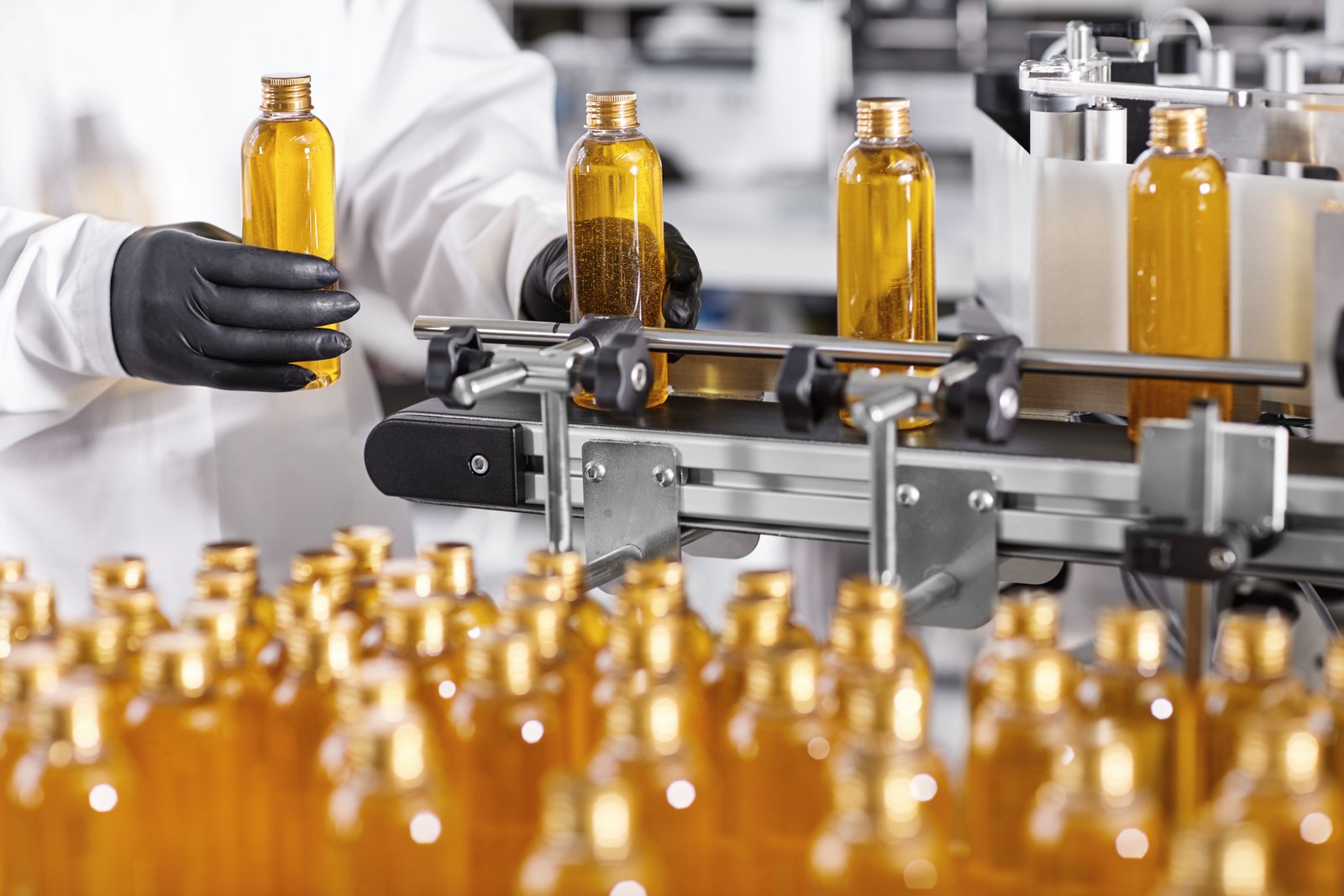
Good Manufacturing Practices
The processes put in place by a company to guarantee that goods fulfil specific quality requirements at every stage of production, packaging, storage, and shipping are known as good manufacturing practices, or GMPs.
GMP is essential to prevent cosmetic product adulteration or misbranding. The new US law on cosmetic products, the Modernization of Cosmetics Regulation Act of 2022 (MoCRA), imposes several new requirements on cosmetic manufacturers, producers, and brand owners.
Local GMP
A set of the Regulation which are followed during the production, packaging, storage and shipping of the cosmetic products. Every country has their own regulation in the for the cosmetic the Good Manufacturing Practices for the Cosmetic are similar.
All cosmetic companies must be able to manufacture goods that are reliable, safe, effective, and of high quality to be successful. A basic awareness of Good Manufacturing Practices (GMP) can be quite helpful, regardless of the size of your skincare firm or cosmetic line.
GMP causes anxiety for many beauty firms, and some may see it as a complex set of rules rather than an effective tool to support business growth. GMP encompasses much more than contamination and safety; it’s about understanding and controlling every single component that affects a product’s final quality. When put into practice, GMP encourages ongoing enhancements that eventually lead to higher levels of customer satisfaction and brand loyalty.
GMPs, as their name suggests, are focused on production or manufacturing procedures that affect the final product’s quality, safety, and consistency. It is the duty of any company that produces cosmetics to guarantee that the goods they produce and eventually sell are high-quality, safe, and consistently effective. This requirement is related to several laws that control the selling of cosmetics.
For example, the Federal Food, Drug and Cosmetic Act (Section 301) in the United States, which is enforced by the FDA, prohibits the sale of cosmetic items that are “misbranded” or “adulterated”. According to Sections 16 and 18 of the Food and Drugs Act in Canada, cosmetics sold must be made and kept in sanitary, clean conditions.
An efficient method of adhering to legal requirements pertaining to product quality and consumer safety is to implement GMP. However, regional differences may exist in the GMP adherence standards, particularly about cosmetics.